Professor Deborah J. Marsh — Translational Oncology Group
Translational Oncology Group
University of Technology Sydney (UTS)Welcome to our lab
Chromatin and therapeutic response in ovarian and women's cancers
Principal investigator
Professor Deborah J. Marsh
Discipline Leader, Medical Science; Group leader, Translational Oncology Group
Programmes
Active research programmes
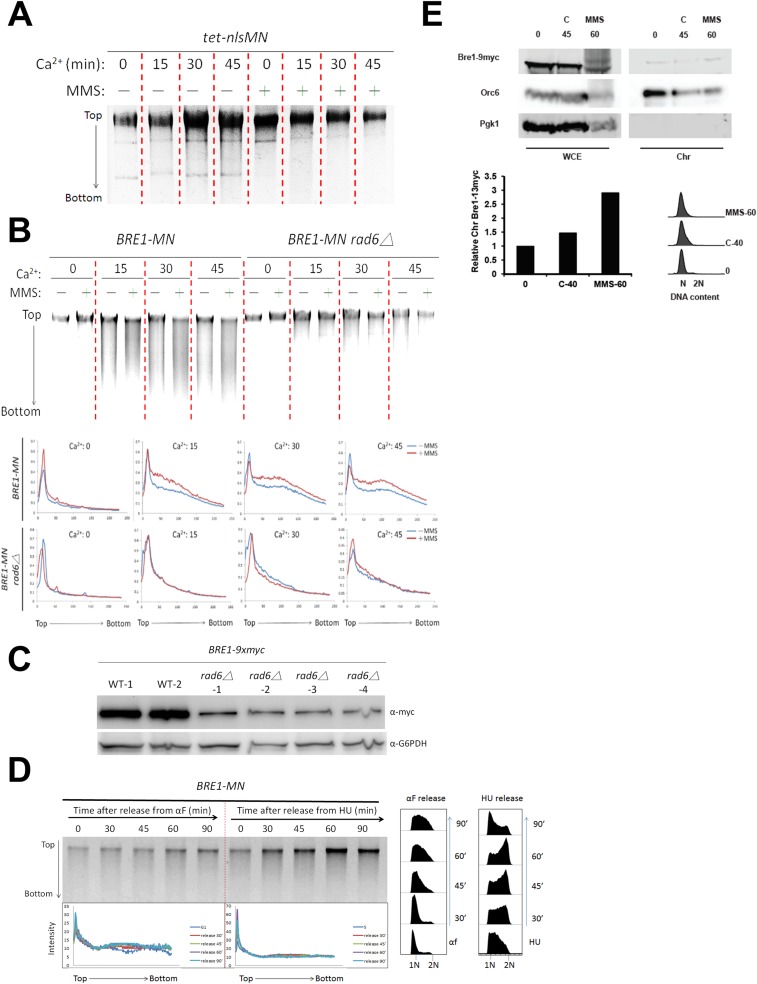
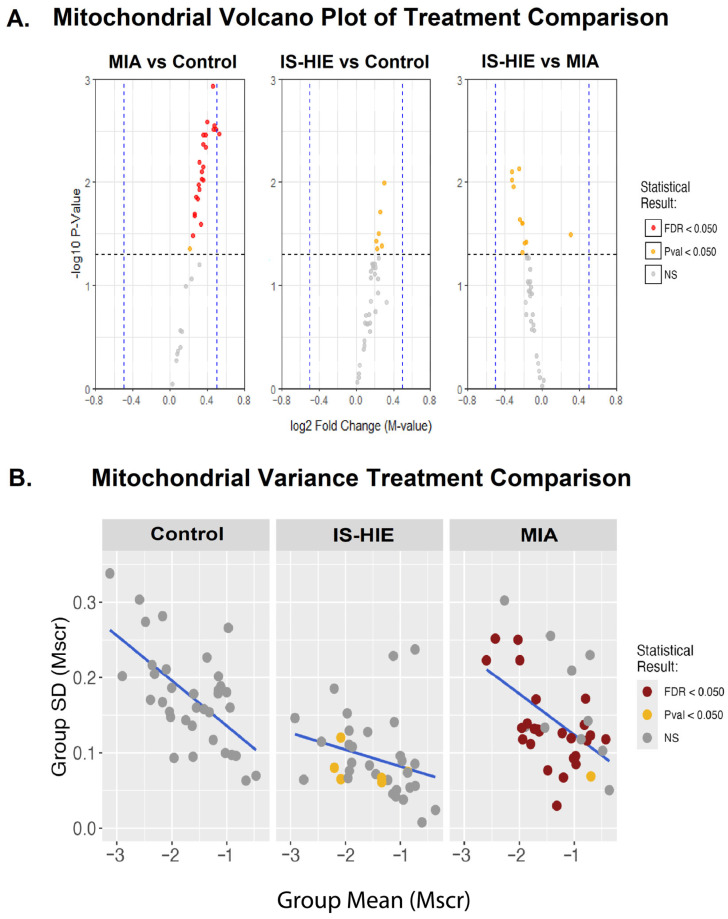
H2Bub1 and chromatin remodelling in response to therapeutic DNA damage
How does H2B monoubiquitination (H2Bub1) redistribute after chemotherapy-induced DNA damage, and how do those changes control expression of genes that determine cell fate?
p53 target‑gene regulation and chromatin control
How does p53 influence H2Bub1 and other chromatin marks to regulate target gene expression after genotoxic stress?
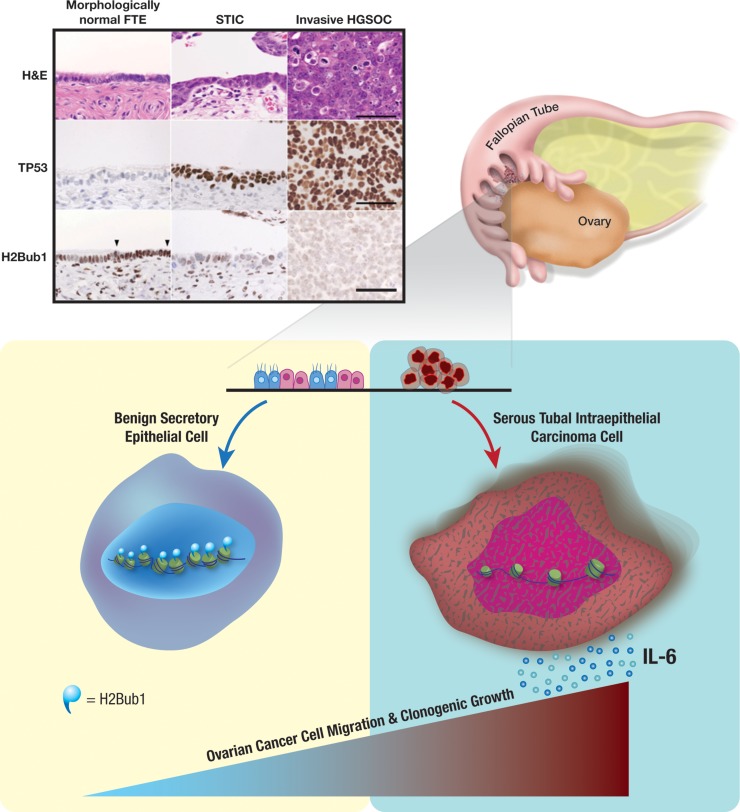
H2Bub1 loss, chromatin accessibility and ovarian cancer progression
What role does early loss of H2Bub1 play in ovarian tumour evolution, immune microenvironment changes and clinical outcome?
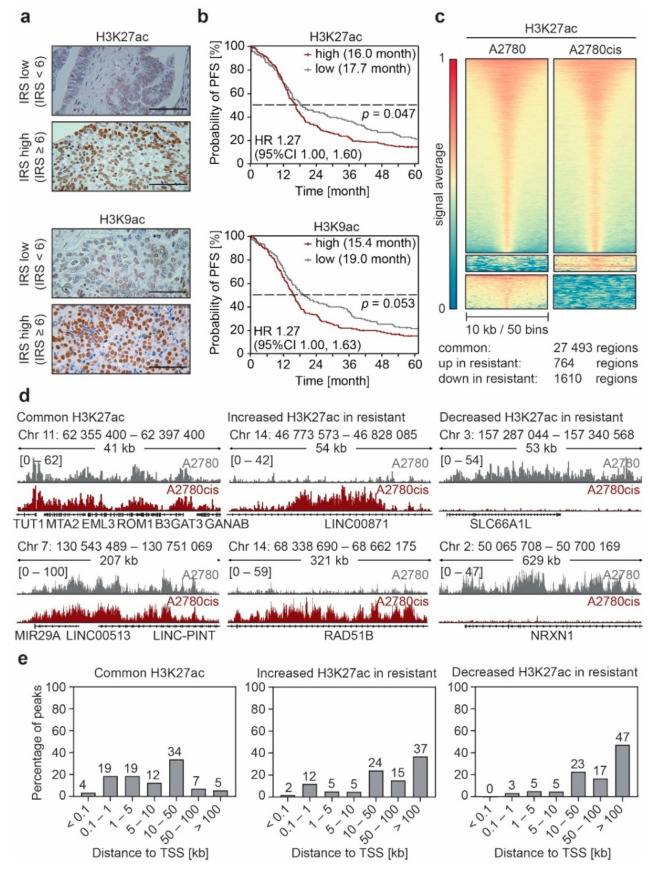
Mechanisms of drug resistance: links between DDR, chromatin and chemotherapy response
Which chromatin‑mediated mechanisms enable ovarian cancer cells to resist platinum‑based chemotherapy, and can these be targeted to restore sensitivity?
Selected publications
Recent and defining work
Ubiquitin chromatin remodelling after DNA damage is associated with the expression of key cancer genes and pathways
Cellular and Molecular Life Sciences
Histone Monoubiquitination in Chromatin Remodelling: Focus on the Histone H2B Interactome and Cancer
Cancers (Basel)
H2Bub1: Guardian of chromatin accessibility in ovarian cancer
Oncogenesis / related review
Histones and their modifications in ovarian cancer - drivers of disease and therapeutic targets
Frontiers in Oncology
Monoubiquitinated H2B, a main chromatin target of formaldehyde, is important for S-phase checkpoint signaling and genome stability
Cellular and Molecular Life Sciences / NCBI PMC
Join the group